Silver Purity Marks for Beginners: 925, 958, and 999 Explained
Turn over a silver chain and you will usually find a tiny stamped number near the clasp. Most people ignore it. That number is the most useful piece of information on the whole piece, because it tells you how much of the metal is actually silver — and that figure drives everything from how the item wears to what a dealer will offer you for it.
This guide covers the three marks you will meet most often: 925, 958 and 999. It also covers the marks that sit alongside them, the ones that should make you pause, and the practical difference purity makes when you buy and when you sell.
What a Purity Mark Actually Tells You
A silver mark is a statement about proportion. The number refers to parts per thousand, so 925 means 925 parts silver out of 1,000 — or 92.5 percent. The rest is almost always copper, added because pure silver is too soft to hold a clasp, a prong or a fork tine without bending.
Not every stamp is a hallmark, and the distinction matters. In the United Kingdom, a hallmark is applied by an independent assay office that has tested the metal. In much of the rest of the world, including the United States, marks like "925" or "sterling" are applied by the manufacturer as a declaration of standard. Both systems are widely trusted, but only one involves a third party checking the claim.
Silence is not proof of anything either. Small or delicate pieces, imported jewellery and older items often carry no mark at all, either because it would have damaged the piece or because it has worn away over decades. A missing mark means you need another way to verify.
The Three Numbers You'll Meet Most Often
925 — Sterling Silver
Sterling is the workhorse of the silver world and the standard most buyers should learn first. At 92.5 percent silver and 7.5 percent copper, it is hard enough for everyday wear, takes a high polish, and can be soldered and repaired by any competent jeweller. Rings, chains, cutlery, picture frames and most antique tableware are sterling.
It is also the most liquid form of silver jewellery. Because the mark is so widely recognised, a dealer can price it quickly and with confidence — which usually works in your favour at resale.
958 — Britannia Silver
Britannia standard sits at 95.8 percent silver, with a little copper to keep it workable. It was introduced in Britain in the late seventeenth century as a higher standard than sterling and is still used today by silversmiths making hand-raised bowls, spoons and presentation pieces.
In practice, 958 is slightly softer than sterling and slightly whiter in colour. It is a premium material in the workshop, but outside the UK it is unfamiliar to many buyers, which can complicate a quick sale.
999 — Fine Silver
Fine silver is 99.9 percent pure. It is beautiful, takes a deep lustre, and is genuinely soft — a 999 ring will deform under normal wear, and a 999 chain is easily stretched. For that reason you mostly find it in bullion coins, small bars and the occasional pendant or earring that is not expected to take stress.
Where 999 shines is investment. Coins and bars in fine silver trade close to the metal price and are the easiest thing in this article to sell at short notice.
The Numbers In Between
You will also run into 800 (common in older European silver, especially German and Italian), 835 (frequent in Dutch and Scandinavian pieces), 900 (often called coin silver, used in older American flatware and in some South American jewellery) and 990. All are genuine silver alloys, just leaner or richer than sterling. They are perfectly usable — but expect a wider spread between what you pay and what you get back.
The Other Marks On the Same Piece
Purity is rarely the whole story. Look for a maker's mark (usually initials in a small punch), an assay office symbol, and a date letter. On British silver these four marks together can identify a piece precisely, and that documentation is worth real money to collectors.
Then there are the marks that mean something else entirely. EPNS, silver plate, silver filled and silver on copper all describe a thin layer of silver over a base metal. Nickel silver and German silver contain no silver at all. A seller who describes a plated tray as "silver" is not necessarily lying, but the value is a fraction of solid silver and resale is close to nil.
How to Check a Mark You Don't Trust
Counterfeits exist, and the most common trick is stamping 925 onto a brass or nickel-silver blank. A few habits will catch most of them:
- Look closely. Use a loupe or a phone camera zoom. Genuine marks are struck or laser-etched crisply; fake ones often look shallow, uneven or oddly rounded.
- Feel the weight. Silver is dense. A piece that feels light for its size deserves suspicion.
- Try a magnet. Silver is not magnetic. A strong pull means steel or nickel is present — though a non-magnetic piece is not automatically silver, since brass and copper are not magnetic either.
- Check the wear points. On plated items, the base metal shows through at high-friction spots, often as a warm yellow or dull grey patch.
- Ask for a test. Most jewellers will run an X-ray fluorescence scan or a small acid test. It takes a minute and settles the question.
What Purity Means When You Buy
For jewellery you intend to wear, 925 is usually the right answer. It balances hardness, appearance and repairability better than anything else on this list. Choose 999 only for pieces that will sit in a box or a safe, and choose 958 if you specifically want a softer white tone and a piece with real craft behind it.
Be careful about paying a premium purely for a higher number. Two chains of identical weight, one in 925 and one in 958, contain nearly the same amount of silver — the difference is roughly three percent. Pay more for design, maker and condition, not for a decimal point. On bullion, the opposite is true: a fine silver coin's purity is the point, and its price should track the metal closely.
What Purity Means When You Resell
Two markets exist, and confusing them is the most expensive mistake a beginner makes. The first is melt value — what a refiner or coin shop will pay for the metal, based on weight and fineness. The second is the collectors' and secondhand market, where a piece can be worth several times its melt value because of maker, age or rarity.
Fine silver bullion sells in the first market and sells easily. Sterling jewellery and flatware sell in the first market too, usually at a discount to the spot price that reflects refining costs and the dealer's margin. Britannia silver is caught in between: excellent metal, thin demand outside specialist circles, so expect a wider discount unless you find a silversmith or a collector who values it.
Hallmarked antique silver is the exception. A complete, legible set of marks on a Georgian spoon can lift its value well above scrap, so have anything old and marked assessed before you accept a melt offer. Keep receipts and any paperwork you have; provenance supports a better price.
One practical note: selling precious metal may have tax consequences depending on where you live and how the sale is structured. If the amount is significant, ask an accountant before you commit.
A Short Checklist Before You Buy or Sell
- Find the mark and read it with magnification. No mark, no certainty.
- Identify what the piece is made of, not just what it says: solid silver, plated, or nickel silver.
- Weigh it and note the purity. That gives you a rough floor value you can calculate yourself.
- Compare the asking price with that floor value, then decide what the design or history is worth to you on top.
- If you are selling, get two quotes — a bullion dealer and a jeweller or auction house — before agreeing to anything.
None of this requires specialist knowledge. A loupe, a magnet and the habit of turning a piece over before you pay will put you ahead of most buyers in the room.
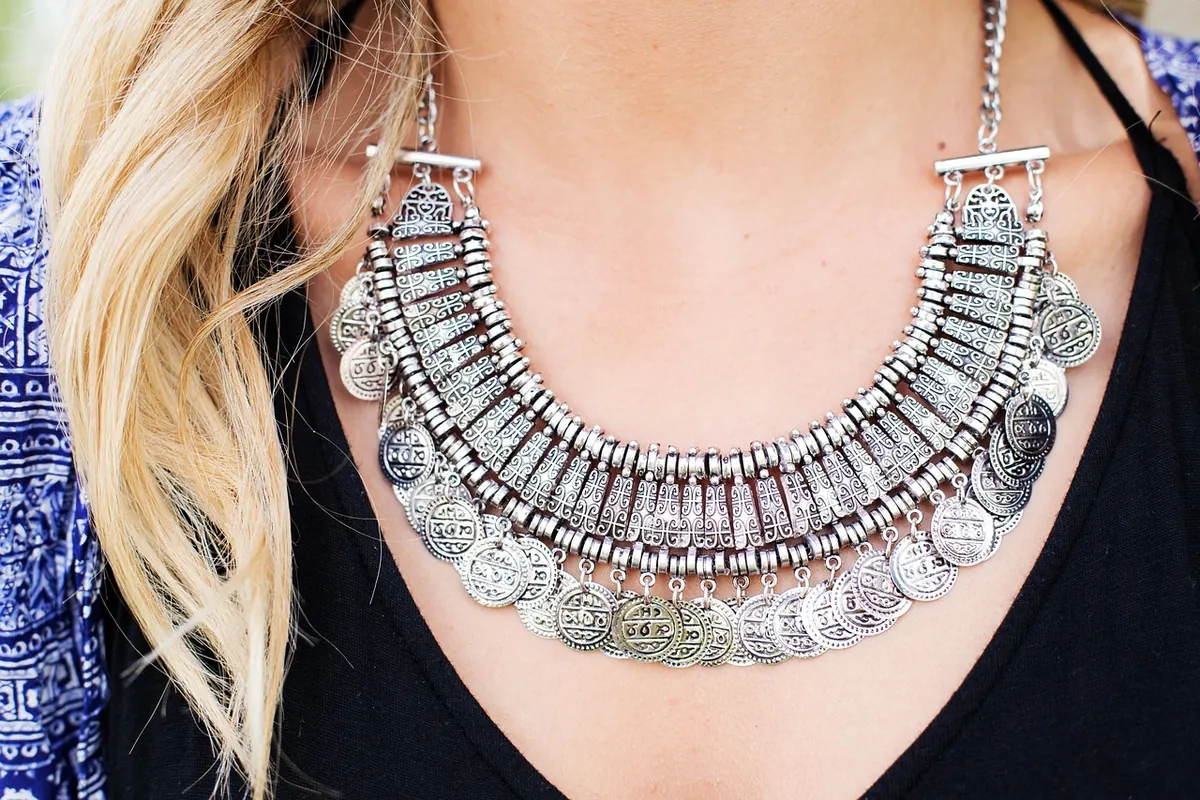
Photo: RitaE / Pixabay
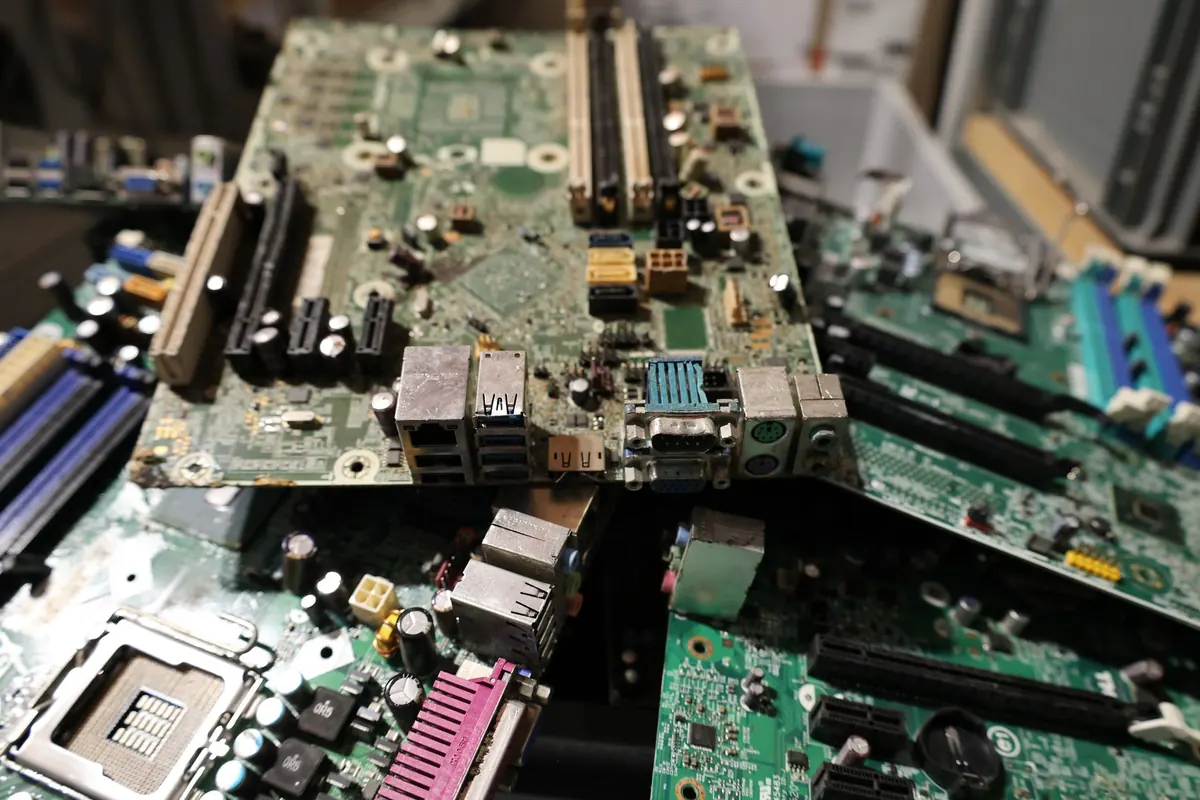
How Recycled Silver Moves from Electronics to Refined Bars
Recycled silver travels a long road from circuit boards and old contacts to 999-fine bars. Here is how...
The Gold-Silver Ratio Explained: What It Signals for Silver Prices
The gold-silver ratio compares gold and silver prices to show relative value. It is a useful context tool,...
About Us