How to Test Silver at Home: Magnet, Ice, Sound, and Acid Checks
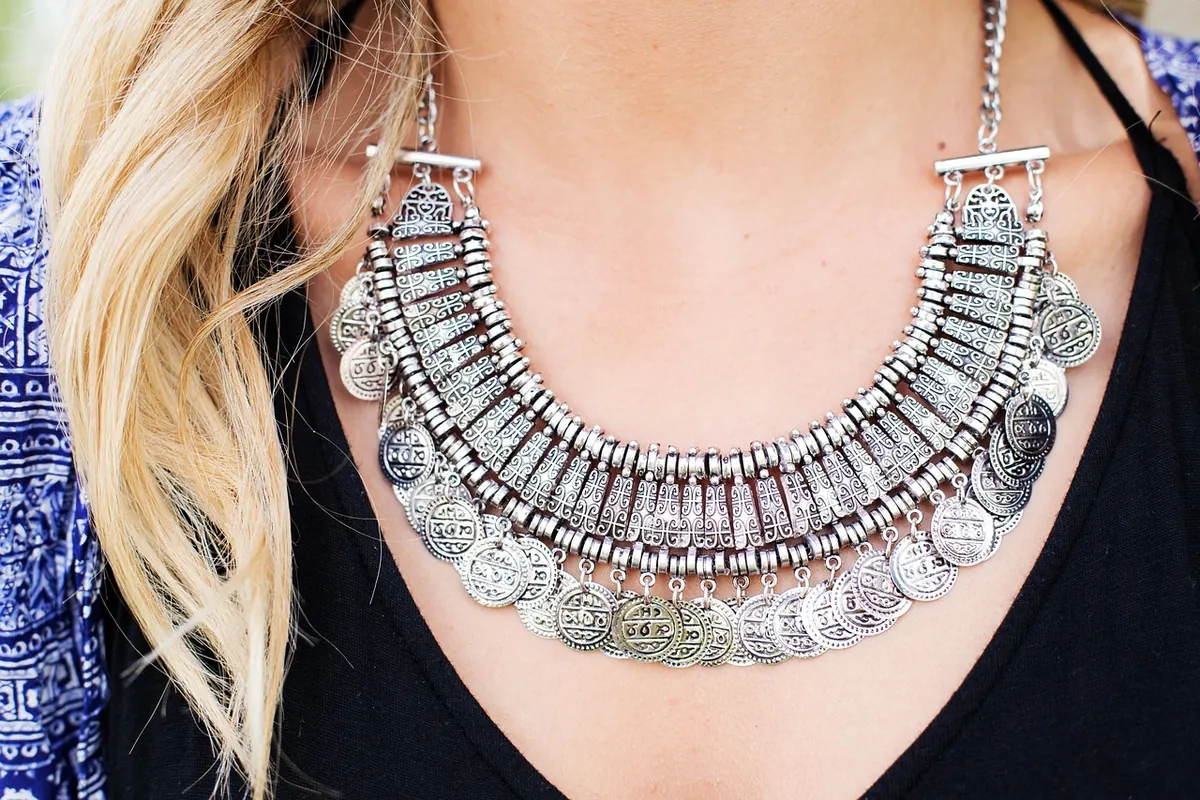
A box of inherited teaspoons. A coin picked up at a flea market because it looked old and heavy. A chain that has turned faintly black in the drawer. Sooner or later, anyone who owns silver ends up asking the same question: is this the real thing, or does it just look like it?
You can get a useful answer at the kitchen table, using a magnet, an ice cube, your ears, and — if you are willing to accept a small mark — a chemical test kit. None of these checks is proof on its own. But run a few of them together and you can separate most genuine pieces from most fakes, and work out when it is worth paying someone to look properly.
Before You Start: Read the Marks and Feel the Weight
Turn the piece over first. A jeweller's loupe helps. On silver you are looking for 925, 958, 900, 800, the word STERLING, or coin. On plated ware you will usually find EPNS, EP, "silver plate", "silver on copper", or a maker's name with no purity figure at all.
Two cautions. Stamps can be faked, and plenty of genuine silver — small foreign pieces, older provincial work, homemade items — carries no stamp at all. Absence of a mark is a reason to test, not a verdict.
Then weigh it in your hand. Silver is dense stuff, about 10.5 grams per cubic centimetre. A silver spoon of a given size feels noticeably heavier than the same spoon in steel or aluminium, and slightly heavier than brass. That heft is not conclusive, but a large piece that feels feather-light rarely turns out to be sterling.
The Magnet Test: The Slide Matters More Than the Stick
Silver is not magnetic, so the obvious version of this test — does the magnet stick? — only catches the crudest fakes. A steel core or a plated iron base will grab a magnet immediately. But copper, brass, zinc, lead alloys and stainless steel are all non-magnetic too, so passing this check proves very little.
How to run it properly
Use the strongest neodymium magnet you can find, not a fridge magnet. Silver is diamagnetic, which means it repels a magnetic field weakly. You feel that repulsion as drag.
Tilt the piece to roughly 45 degrees, rest the magnet at the top, and let it slide down the surface. On silver, the magnet moves slowly and seems to brake, as though it is sliding through something thicker than air. On copper or brass, it slides freely. A good test piece of known silver makes the difference obvious — try both, one after the other.
What it misses
A magnet that sticks is close to conclusive: that is not solid silver. A magnet that slides without drag tells you only that the metal is not ferromagnetic. Silver plate over copper passes the slide test cleanly, and so does a bar of brass. Watch out for steel fittings, too — a magnet jumping to the clasp of a silver chain is usually just the clasp.
The Ice Test: Watching Heat Move
Silver conducts heat better than any other common metal, which is why a silver spoon feels cold the moment you pick it up and why an ice cube behaves strangely on it.
Chill the piece in the fridge for a few minutes, set it on a dry plate, and place a single ice cube on top. On silver, the ice melts fast and the piece chills through almost instantly, and you may hear a faint crackling as the meltwater spreads. On steel or zinc, the ice sits there and sulks.
The catch is that copper and aluminium are also excellent conductors, and a thin layer of silver plating over a copper body behaves exactly like solid silver in this test. A small, thin piece has so little mass that the effect fades in seconds. Treat the ice test as supporting evidence, never as the deciding vote.
The Sound Test: Listen for the Ring
Strike a piece of silver and it answers with a clear, high note that hangs in the air for a second or two before falling away smoothly. Pot metal, lead alloys, and plated zinc tend to thud, or give a short dull tick with no tail.
Doing it without damaging anything
- Balance a coin on your fingertip at its edge and tap the rim with a fingernail.
- Hold a spoon or fork by the handle and tap the bowl or tine tips lightly.
- Work over a soft surface — a folded towel — so a slip costs nothing.
- Never tap a coin you might sell. Fingernail only, or skip the test.
Shape and thickness dominate the sound. A thin brass ring will sing. A hairline crack or a heavy cast body will kill the note in a piece that is perfectly genuine. The trick is comparison: tap a known silver piece from the same drawer, then the suspect, and listen for the difference in pitch and sustain rather than judging the sound on its own.
The Acid Test: The One That Leaves a Mark
Chemical test kits are cheap and widely sold, and they are the only home method that says something about purity rather than just identity. They are also corrosive and permanent, so decide before you start whether the piece is worth marking.
Clean a small spot on the underside of a handle or the inside of a ring band. If the item might be plated, file a shallow scratch first — the acid needs to reach the metal beneath the plating to mean anything. Apply one drop, following the kit's own instructions, and watch.
The reading depends on the solution. Nitric-acid-based kits generally leave sterling with a creamy, pale, curd-like residue, while copper alloys turn green or blue and some base metals fizz or darken. Dichromate-based solutions change colour with silver content — roughly red at the top end of the scale, through brown, to green at low purity. Kits vary enough that the leaflet in the box matters more than anything you read elsewhere, including here.
Safety is not optional. These solutions are corrosive. Wear nitrile gloves and eye protection, work in a ventilated space away from children and pets, never touch the drop, and flush any skin contact with plenty of water. Do not test pieces with set stones or glued settings, and avoid hollowware where acid can creep into a seam. Dispose of the residue and the bottle through your local household hazardous waste service rather than down the sink.
Where Home Tests Fall Short
Each of these tests detects a different property, and a clever fake only has to beat one of them. That is why the results should be read together:
- Purity. No kitchen method separates 800 from 925 from 958 with any confidence.
- Silver-filled and rolled plate. A thick layer of sterling over a base core will pass the magnet, the ice, the sound, and a surface acid test. Only a deep scratch, a density check, or a professional reading catches it.
- Fake hallmarks. A stamp is evidence, not proof. Plated spoons have carried convincing "925" marks for a very long time.
- Cast counterfeits. Common in coin collecting, and effectively invisible to a magnet and an ice cube.
One useful extra check is density. Weigh the piece, then measure its volume by water displacement in a narrow graduated container, and divide. Sterling lands near 10.5 grams per cubic centimetre. Anything hollow, filled, or set with stones will throw the figure off, so this works best on solid coins and simple bars.
When the stakes are real — a sale, an inheritance, a purchase of any size — an X-ray fluorescence reading at a jeweller or refiner takes seconds, leaves no mark, and settles the question. Coin dealers will usually look at a coin for nothing if there is a chance you will sell it. Compared with the cost of one bad purchase, a professional opinion is cheap. For anything with serious money attached, get that opinion before you sign or transfer funds.
A Practical Routine
- Read every mark with a loupe and photograph it before you touch anything.
- Weigh the piece and feel it in your hand against something you know is silver.
- Run the magnet slide on a flat area, then the ice cube, then the tap test.
- Stop and think. Two or three tests agreeing, plus a plausible hallmark, is a reasonable working answer.
- Only then reach for the acid — and only on a piece you are prepared to mark, that is not a collectible coin.
Keep a small "known good" silver item in the drawer to compare against. And when you buy, buy from someone who offers a return window and puts the words "sterling" or "925" on the receipt. A piece of paper with the right words on it is worth more than any test you can run at home.
Photo: estall / Pixabay
How Recycled Silver Moves from Electronics to Refined Bars
Recycled silver travels a long road from circuit boards and old contacts to 999-fine bars. Here is how...
Silver Purity Marks for Beginners: 925, 958, and 999 Explained
A plain-English guide to silver purity marks — what 925, 958 and 999 mean, how to read the rest of a...
About Us